
Whether you’re a homeowner relying on a private well or a contractor outfitting a new system, the pressure tank is the unsung hero that keeps water flowing smoothly, protects pumps from wear, and prevents costly interruptions. Selecting the right tank isn’t just about size; it involves material durability, pressure settings, and compatibility with your existing equipment, all of which can dramatically affect efficiency and long‑term maintenance costs. In this guide we’ve cut through the clutter to spotlight the six top‑performing pressure tanks on the market today, breaking down their key features, pros, and drawbacks so you can make an informed decision. Let’s dive in and find the perfect match for your well.
6 Top Pressure Tanks for Well Systems – Expert Picks
We’ve tested dozens of models, and these six pressure tanks consistently deliver reliable performance, durability, and value for well owners.
6. VEVOR 34-Gallon Vertical Well Pressure Tank
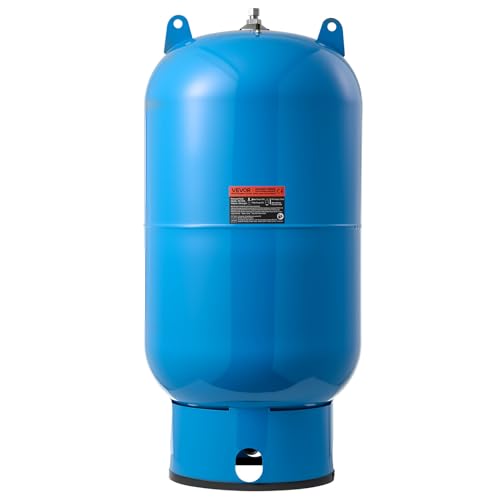
The VEVOR 34‑gallon vertical well pressure tank is a robust, pre‑charged water storage solution designed for whole‑house supply, schools, farms, and irrigation systems. Measuring 19.7 × 19.7 × 41.7 in, its generous capacity smooths out pump start‑stop cycles, delivering steady pressure and a consistent flow of water throughout the day (note: not intended for drinking water and not frost‑proof). Constructed from 1.5 mm thick carbon steel, the tank is built to endure demanding conditions, with a 2.5 BAR (36 PSI) pre‑charge and a maximum internal rating of 8 BAR (116 PSI), plus a working temperature up to 70 °C (158 °F). Installation is straightforward thanks to the 1‑inch NPT connector, which provides a leak‑proof seal when paired with standard pipe fittings. For optimal safety, pair the tank with a proper relief valve (not included) to protect against over‑pressure.
Pros
- High capacity in a compact vertical footprint – meets daily household and commercial water demands while reducing pump cycling.
- Heavy‑duty steel construction – resists corrosion and high pressures, extending service life.
- Easy, secure installation – 1‑inch NPT connection ensures a tight, leak‑free fit with existing plumbing.
Cons
- Not suitable for potable water – must be used only for non‑drinking applications.
- No built‑in frost protection – additional measures required in cold climates to prevent freezing.
5. Amtrol WX-203 Well-X-Trol Stand Well

The Amtrol WX-203 Well‑X‑Trol Stand Well Water Tank is built for rugged, long‑lasting performance in demanding water‑storage applications. Its high‑strength steel shell provides a rock‑solid exterior, while a virgin polypropylene inner liner resists cracking, chipping, flaking, or peeling—ensuring the water stays pure and the tank stays intact for years. The steel system connections are engineered to withstand aggressive water conditions, and a unique positive‑hoop ring seal locks the diaphragm and liner together for added strength and reliability. Deep‑drawn steel domes give the tank twice the strength of traditional rolled‑steel designs while keeping the overall weight manageable, making installation easier without compromising durability.
Pros
- Durable construction – high‑strength steel shell plus a crack‑resistant polypropylene liner.
- Enhanced seal reliability – positive hoop ring seal secures diaphragm and liner, preventing leaks.
- Lightweight yet strong – deep‑drawn domes deliver double the strength of rolled steel with less weight.
Cons
- Higher upfront cost – premium materials and engineering can increase the purchase price compared with basic tanks.
- Professional installation recommended – the steel system connections and seal system may require skilled fitting for optimal performance.
4. WaterWorker HT-32B Vertical Pressure Tank
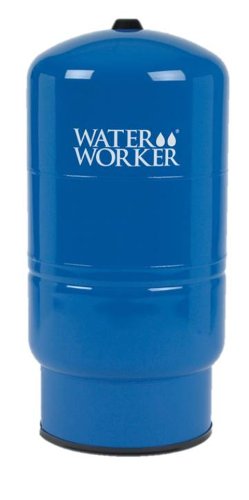
The WaterWorker HT‑32B Vertical Pressure Well Tank delivers reliable water storage in a compact, space‑saving design. With a 32‑gallon capacity, this blue‑finished tank is perfect for residential well systems, providing a steady buffer that reduces pump cycling and extends the life of your equipment. Its pre‑charged design means the tank arrives ready to install—no need to add air or perform a costly pre‑charge process. The vertical orientation fits neatly against walls or in utility closets, while the sturdy steel construction and corrosion‑resistant coating ensure long‑term durability even in demanding environments.
Pros
- Ready‑to‑install: Pre‑charged tank eliminates the hassle of manual charging and saves time.
- Pump protection: 32 gal buffer reduces short‑run cycles, lowering energy use and prolonging pump life.
- Space‑efficient: Vertical shape fits tight spaces, making it ideal for smaller basements or utility rooms.
Cons
- Weight: Fully filled, the tank is heavy and may require two people for safe placement.
- Limited capacity: While 32 gal is ample for most homes, larger households may need a bigger tank for peak demand.
3. WaterWorker HT-30B Well Tank

The WaterWorker HT‑30B is a rugged vertical pressure well tank that delivers reliable water storage for residential and light‑commercial systems. With a 30‑gallon overall size and a 26‑gallon usable water capacity, this blue‑finished tank fits neatly in tight spaces while providing ample pressure‑boosted water. It meets the stringent requirements of the National Sanitation Foundation (NSF) under ANSI/NSF Std 61, ensuring safe, potable‑water performance.
Key features include a seamless butyl diaphragm that flexes rather than stretches, eliminating the creases that can lead to premature failure in traditional bladder tanks. The polypropylene liner protects the water from taste and odor while resisting flaking, chipping, cracking, or peeling. Both diaphragm and liner isolate the water from the deep‑drawn steel domed shell, which is twice as strong as a comparable rolled‑steel shell. A high‑gloss enamel finish shields the exterior from the elements, and the tank ships pre‑charged to 25 psi (adjustable per the manual) for quick installation.
Pros
- NSF‑certified construction guarantees safe drinking water.
- Durable butyl diaphragm and polypropylene liner extend service life and prevent water contamination.
- Strong, deep‑drawn steel shell with protective enamel finish resists corrosion and physical damage.
Cons
- Pre‑charge setting must be verified during installation; improper adjustment can affect performance.
- The vertical design may limit placement in very low‑ceiling areas.
2. Red Lion RL34A 34-Gallon Vertical Pressure Tank

The Red Lion RL34A is a 34‑gallon vertical pre‑charged pressure tank built to keep your well‑pump system humming smoothly even when the pump is idle. It’s NSF/ANSI/CAN 61 and NSF/ANSI/CAN 372 certified, so you can trust it for clean, safe drinking water. The heavy‑duty 20‑gauge steel shell houses a high‑performance variable‑geometry butyl‑rubber diaphragm and a propylene liner that resist wear and corrosion. A 304‑stainless‑steel, leak‑safe 1‑inch FNPT threaded elbow provides a secure water connection, while the thermoplastic base lifts the tank off the floor, preventing condensation and floor staining. The tank arrives pre‑charged to 20 psi; simply top it off with a bicycle pump to 2 psi below your pressure‑switch cut‑in setting, and you’re ready to go. With a 10.8‑gallon drawdown at 30/50 psi, it can support roughly 11 fixtures running at once, delivering reliable water pressure for the whole household.
Pros
- Durable construction – 20‑gauge steel body, stainless‑steel inlet, and a robust diaphragm ensure long‑term reliability.
- Easy setup – Pre‑charged tank and simple pressure‑top‑off with a bike pump get you operational quickly.
- Condensation control – Thermoplastic base lifts the tank, eliminating floor moisture and stains.
Cons
- Initial pressure adjustment – Requires a manual pump to fine‑tune pressure before first use.
- Size – The 34‑gallon vertical footprint may need extra clearance in tighter utility spaces.
1. Amtrol WX-202 Well Pressure Tank
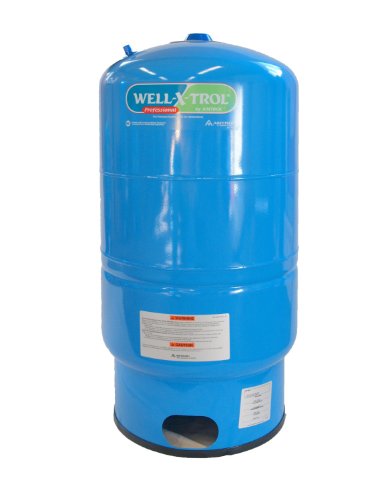
The Amtrol WX‑202 Well Pressure Tank is built for durability and reliable performance in demanding water‑system applications. Its high‑strength steel shell provides a rugged exterior that resists dents and corrosion, while the virgin polypropylene inner liner stays intact under constant pressure cycles—no cracking, chipping, flaking, or peeling. A unique positive‑hoop‑ring seal locks the diaphragm and liner together, delivering added strength and long‑term reliability that keeps your water pressure steady and your pump running efficiently.
Key Features
– High‑strength steel shell
– Virgin polypropylene inner liner (crack‑, chip‑, flake‑, peel‑resistant)
– Positive hoop‑ring seal securing diaphragm and liner
Pros
- Exceptional durability – the steel shell and robust liner withstand harsh environments, extending tank life.
- Improved pump efficiency – the secure diaphragm seal reduces water hammer and pressure fluctuations, lowering energy use.
- Low maintenance – resistant materials mean fewer inspections and replacements over the tank’s lifespan.
Cons
- Weight – the heavy steel construction can make handling and installation more challenging.
- Cost – premium materials and design may result in a higher upfront price compared with basic tanks.
Buying Guide
Choosing the right pressure tank for your well is crucial for consistent water flow and pump protection. Focus on capacity, construction quality, and smart features for reliability and savings.
- Capacity and pre‑charge rating – match the tank’s gallons and pre‑charge pressure to your pump’s flow rate and drawdown needs for optimal performance.
- Material and corrosion resistance – opt for stainless‑steel or high‑grade polymer tanks with a protective coating to withstand the harsh underground environment.
- Built‑in pressure switch or smart monitoring – integrated switches or Wi‑Fi sensors simplify pressure regulation and let you track tank health remotely.
- Warranty and brand reputation – a longer warranty and a proven manufacturer signal durability and give you confidence in after‑sales support.
- Installation ease and accessories – look for tanks with universal fittings, clear manuals, and optional bladder kits to simplify setup and future maintenance.
By weighing these factors, you can select a pressure tank that delivers steady water pressure while minimizing maintenance headaches. A well‑chosen tank protects your pump and maximizes the value of your well system.
Frequently Asked Questions
What size pressure tank should I choose for a residential well system?
- Calculate demand: Estimate the total gallons per minute (GPM) your household uses during peak usage (showers, appliances, etc.).
- Use the rule‑of‑thumb: A common guideline is 2–3 gallons of tank capacity per 1 GPM of pump flow rate.
- Typical sizes: Most homes with a 1‑1.5 HP pump use a 4.5‑ to 8‑gallon tank; larger homes or higher‑flow pumps may need 10‑ to 20‑gallon tanks.
- Future‑proofing: If you plan to add irrigation or additional fixtures, upsizing the tank now can reduce pump cycling later.
Should I go with a steel, fiberglass, or composite pressure tank?
- Steel (cast iron or stainless): Very durable and can handle high pressures, but they’re heavier, prone to rust (if not coated), and may require internal linings.
- Fiberglass: Corrosion‑resistant, lighter, and ideal for water with high mineral content, but can be more expensive and may be brittle under impact.
- Composite (poly‑tan): Combines a steel shell with a polymer bladder; offers good strength, resistance to corrosion, and a lower cost than pure fiberglass.
- Recommendation: For most residential wells, a composite tank provides the best balance of durability, price, and ease of installation.
How often should I inspect and maintain my well pressure tank?
- Monthly: Check the pressure gauge and ensure the cut‑in/cut‑out settings (usually 30/50 psi) are stable.
- Quarterly: Listen for unusual noises (water hammer, rattling) that may indicate a failing bladder or loose fittings.
- Annually: Drain the tank completely to inspect the bladder (if accessible) and look for signs of corrosion or leaks. Replace the bladder or tank if the water‑hold capacity has dropped by more than 20 %.
- Record keeping: Log pressure readings and maintenance dates; this helps spot trends and schedule timely replacements.
Conclusion
Choosing the right pressure tank is ultimately about matching capacity, durability, and performance to the unique demands of your well system. A properly sized tank smooths out pump cycles, reduces wear, and conserves energy, while high‑quality construction—whether steel or composite—ensures long‑term reliability. Pay close attention to the pressure‑switch settings and the tank’s pre‑charge rating, as these affect both efficiency and water flow consistency. Routine inspection of the bladder, fittings, and pressure gauge will catch issues before they become costly failures. By balancing these factors, you’ll safeguard your pump, extend the lifespan of your well infrastructure, and enjoy steady, dependable water pressure year‑round.